PD Smith

City: A Guidebook for the Armchair Traveller

03 August 2010 | City | 11 comments

Writ­ing a book is a soli­tary process. For months and often years, the book only exists in the writer’s mind. Some­times, as you write, that book can seem like a mirage on the horizon, its form shim­mer­ing and chang­ing before your eyes. Believe me, it’s dis­con­cert­ing. But you press on.

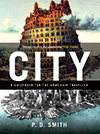
Over time, as the words flow and the pages increase, the book takes shape and becomes more sub­stan­tial, more real. But for me the book does­n’t real­ly come alive until it has a cov­er. I’ve been work­ing on my cur­rent book — a his­to­ry of cities — for about three years now. It’s more or less writ­ten, although there are still a few strag­gling, way­ward sec­tions to fin­ish.

And now it has a cov­er. My edi­tor at Blooms­bury Pub­lish­ing emailed it to me a day or so ago. I’m very pleased with it. In fact, I think it’s rather won­der­ful.

Pre-order at Amazon.co.uk | Amazon.com

Restless Cities

28 June 2010 | cities | 2 comments

As part of my research on cities I’ve been read­ing Rest­less Cities, edit­ed by Matthew Beau­mont and Gre­go­ry Dart, just pub­lished by Ver­so. It’s a won­der­ful series of med­i­ta­tions on the expe­ri­ence of the city that com­mu­ni­cates “a sense of the metrop­o­lis as a site of end­less mak­ing and unmak­ing”. Con­trib­u­tors include Chris Petit, Mar­shall Berman, Patrick Keiller, Geoff Dyer, Michael New­ton, and Iain Sin­clair.

Michael Sher­ing­ham’s piece on “Archiv­ing” was immense­ly rich and sug­ges­tive in its explo­ration of the city as a repos­i­to­ry of mem­o­ries, as “lay­er upon lay­er of com­pact­ed mate­r­i­al detail”. I was par­tic­u­lar­ly struck by his idea that as well as the writ­ten his­to­ry of a city, there is a unique and per­son­al his­to­ry expe­ri­enced by each inhab­i­tant — the Tube sta­tion where you met your lover on the first date, the street where a grand­par­ent used to live, the anony­mous office block where you used to work. The city’s street cor­ners are dense with his­to­ries both writ­ten and unwrit­ten. The city, says Sher­ing­ham, is “a mem­o­ry machine.”

It remind­ed me of Calvi­no’s beau­ti­ful fan­ta­sy, Invis­i­ble Cities, in which he says that a city’s past is writ­ten into its fab­ric like the lines on a labourer’s hand, “in the cor­ners of the streets, the grat­ings of the win­dows, the ban­is­ters of the steps, the anten­nae of the light­ning rods, the poles of the flags, every seg­ment marked in turn with scratch­es, inden­ta­tions, scrolls.”

You can read my review of Rest­less Cities on the Guardian’s web­site.

The Followables

04 April 2010 | cities, Twitter | One comment

Twit­ter is great fun. Yes, it can be dis­tract­ing, as many writ­ers have com­plained. But hey, so is life!

Twit­ter is also very use­ful. I’ve made con­tact with many peo­ple who share my fas­ci­na­tion with the sub­ject I’m research­ing for my next book — the his­to­ry and future of cities. I’ve list­ed near­ly a hun­dred of these peo­ple here. I rec­om­mend them — they’re well worth fol­low­ing.

It looks like some peo­ple have found my tweets use­ful too: the oth­er day the cul­tur­al news web­site Fla­vor­wire includ­ed me on a list of the “10 Book Types You Should Fol­low on Twit­ter”. Quite an hon­our when you think it includes peo­ple like Sarah Wein­man (@sarahw), Ron Charles(@roncharles), the Wash­ing­ton Post’s fic­tion edi­tor, as well as book web­site The Mil­lions (@The_Millions).

Oh, and by the way — I have my own list of book peo­ple to fol­low on Twit­ter here. So what are you wait­ing for?

Crowdfunding books

16 February 2010 | Writing & Poetry | 6 comments

An inter­est­ing dis­cus­sion devel­oped the oth­er day on Twit­ter about the idea of “crowd­fund­ing” books — ask­ing peo­ple for dona­tions to fund the author while writ­ing a book. Simon Sel­l­ars (@ballardian) start­ed the ball rolling, send­ing me a link to Dean­na Zandt’s blog in which she asks for dona­tions.

I have to say I was ini­tial­ly scep­ti­cal, not to say cyn­i­cal, about the whole idea. As Will Wiles (@WillWiles) said, it seemed a bit too much like “pan­han­dling”. Sci­ence fic­tion author Tim Maugh­an (@timmaughan) was sim­i­lar­ly neg­a­tive about the idea. 

But hav­ing thought about this and lis­tened to Dean­na’s side of things I see that it cer­tain­ly can work. Although, as she says, it clear­ly works best if you are talk­ing to a com­mu­ni­ty that is open to this approach. I’m not sure it would work for the kind of cul­tur­al his­to­ry books I write, for exam­ple.

Tim Maly (@doingitwrong), co-founder of Capy­bara Games, point­ed out the advan­tages of this way of fund­ing books and oth­er artis­tic projects. As he said, if it works for Robin Sloan (@robinsloan) at Kick­starter, why should­n’t it work for oth­er authors?

Any­way, it’s an inter­est­ing debate and Tim Maly has col­lat­ed the var­i­ous com­ments from peo­ple and writ­ten a fas­ci­nat­ing blog on the issues it rais­es which is well worth read­ing.

Michelle Pauli (@michellepauli) at the Guardian has also writ­ten a rather more scep­ti­cal piece high­light­ing the eth­i­cal prob­lems involved. For exam­ple, she points out that “as [Dean­na Zandt] is writ­ing about social net­work­ing it might be rel­e­vant to the read­er to know if, for exam­ple, the MD of Face­book has con­tributed a large sum to the writ­ing of her book”.

One nag­ging fear I have about crowd­fund­ing is that if it catch­es on then pub­lish­ers may stop pay­ing advances alto­geth­er. Authors are already hav­ing to make do with much low­er advances. And today I see in The Book­seller that an agent has struck a deal where there is no advance and the prof­its are split between author and pub­lish­er.

Per­haps the new age of the eBook will change things, allow­ing authors to reach untapped audi­ences and mak­ing writ­ing more reward­ing. I hope so. If not then crowd­fund­ing books may well be the only option for some authors.

Seeing Further

22 January 2010 | Bryson, Einstein | One comment

Seeing FurtherMy review of See­ing Fur­ther: The Sto­ry of Sci­ence & the Roy­al Soci­ety, edit­ed by Bill Bryson, is in today’s Inde­pen­dent. It’s a won­der­ful­ly eclec­tic col­lec­tion of spe­cial­ly com­mis­sioned essays cel­e­brat­ing the 350th anniver­sary of the found­ing of the Roy­al Soci­ety. Among the authors are sci­en­tists (Dawkins, Steve Jones etc), his­to­ri­ans (Simon Schaf­fer) and nov­el­ists (Mar­garet Atwood, Neal Stephen­son). It’s also beau­ti­ful­ly illus­trat­ed with images from the Roy­al Soci­ety’s col­lec­tion. I was par­tic­u­lar­ly struck by a repro­duc­tion of the title page of Ein­stein’s 1917 pop­u­lar­iza­tion of relativity, On the Spe­cial and Gen­er­al The­o­ry of Rel­a­tiv­i­ty. It is signed by Ein­stein who had sent it to his friend, the Berlin physi­cian Hans Müh­sam. On it, Müh­sam has writ­ten (in Ger­man):

“This copy is the first one which left the print­er. It was sent to me by Prof Ein­stein the moment he had received it, and short­ly before I went to France with the army. Hans Müh­sam, Berlin, at present at the French Front, April 1917.”

The idea of Müh­sam tak­ing this copy of Ein­stein’s book with him to the hell of the trench­es in the First World War is deeply mov­ing. It speaks vol­umes about the pow­er of sci­en­tif­ic ideas.

You can see the title page of Ein­stein’s book here and read my review here.